
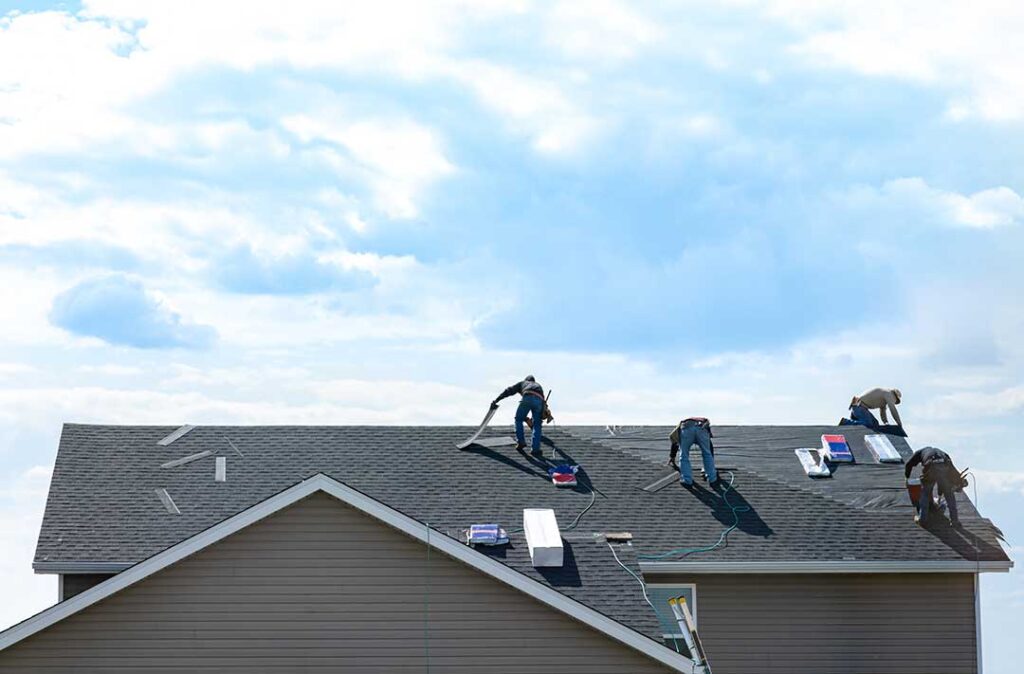
How risky is it for homeowners to work on their own roofs in Alden, NY?
For many property owners in Alden, even a simple task like clearing gutters or checking for loose shingles can become risky once you leave the ground. The combination of seasonal weather—icy winters, gusty springs, and summer storms—along with the typical steep pitch of many local roofs, makes slips, falls, and injuries an ever-present concern. Each year, emergency rooms across the region treat injuries from falls related to home maintenance, including roofing tasks.
While basic inspections or light cleanup may sometimes be safe for a careful and physically able person, more complex repairs, significant moss removal, or any situation involving high or difficult rooflines dramatically increases your risk. Local building heights, architectural styles, and the age of many area homes add extra variables, such as brittle shingles or shaky gutters, that homeowners might not anticipate.
What should every Alden homeowner know before stepping onto their roof?
Before heading up, residents should do a careful self-assessment and checklist. Climbing onto a roof should never be taken lightly, even for minor tasks.
- Always check the weather forecast and wait for clear, dry, and calm conditions. Avoid early mornings when dew may make surfaces slick.
- Inspect your ladder before use and set it up on level, solid ground with at least three feet extending above the eaves.
- Wear close-fitting, non-slip footwear and consider gloves with excellent grip. In Alden, boots designed for outdoor winter tasks often offer better traction than basic sneakers.
- Never work alone. Even if just clearing a gutter, ask someone to stay nearby on the ground for assistance.
- Remove or tie back anything that could catch—loose clothing, jewelry, or long hair.
- Avoid overreaching or standing on the top rungs of a ladder. If you can’t safely reach an area, do not improvise; reposition the ladder instead.
People with mobility, balance, or health concerns—and anyone uneasy with heights—should especially think twice before starting rooftop work.
Which tools and safety gear genuinely make a difference?
For tasks that can’t be safely avoided, using the right equipment is vital. A few smart gear choices significantly reduce your risk.
- Ladder stabilizers or standoff attachments can prevent slips and protect gutters from damage.
- A roofing harness tested for outdoor use, properly anchored to a solid structure (like a rafter rather than just a gutter), adds an important backup.
- Non-slip shoes, as mentioned, are a must—footwear with deeply treaded soles, often labeled for outdoor work or construction, are more secure than typical running shoes.
- A simple tool belt keeps hands free to hold the ladder or roof surface rather than fumbling for supplies.
- For larger jobs, consider temporary roof anchors that can be installed and removed without damaging the structure (local hardware stores often carry these in seasonal sections).
Using basic safety glasses when removing debris, especially in windy conditions, helps protect against flying sticks or grit.
Are there unique seasonal hazards in the local area?
Alden residents should be particularly cautious during and after the colder months. In addition to the obvious hazards of snow and ice on shingles or in gutters, freeze-thaw cycles in the area can create patches of nearly invisible black ice even into late spring.
Fallen leaves from abundant local trees may obscure surface hazards or clog gutters, increasing slip potential and concealing rot or soft spots, particularly on older homes. After wind storms, loose branches or debris can shift underfoot, leading to unexpected twisting or trips while on the roof.
During summer, humid conditions and algae buildup can make roof surfaces, especially on shaded or north-facing slopes, more slippery than they appear. Plan rooftop work for dry spells or after dew has evaporated—even in muggy weather, waiting for the sun to pass overhead often helps.
What are safe alternatives to roof climbing for routine maintenance?
For many seasonal chores, Alden homeowners have practical options that avoid climbing up themselves.
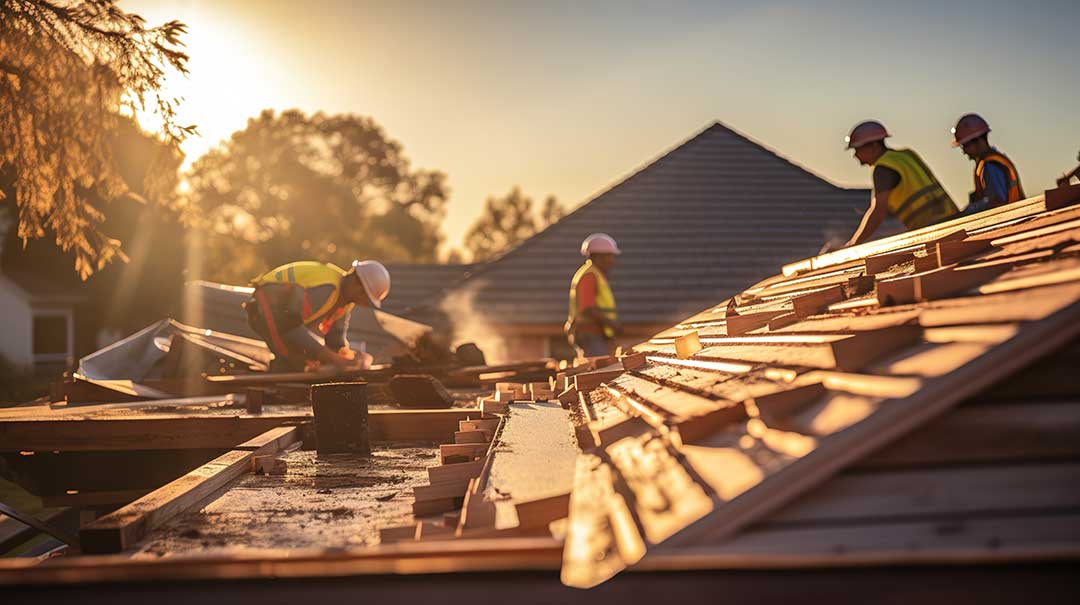
- Gutter cleaning attachments for hose systems or leaf blowers allow for ground-level removal of debris on single-story houses.
- Binoculars or cameras with zoom lenses are very effective for spotting missing shingles, damaged flashing, or moss buildup from the yard or driveway.
- Using a roof rake with an extended handle, especially after snowfalls, can help shift snow or light debris near eaves without ever leaving the ground.
When in doubt, it’s better to tackle what can be reached safely from a ladder secured at a comfortable, stable height rather than pushing personal limits. For any damage involving electrical lines (such as blown-off shingles near power feeds), leaving the work to qualified professionals is the safest solution.
What are common misunderstandings about do-it-yourself rooftop safety?
A frequent misconception is that past experience alone guarantees safety. Even homeowners familiar with their property and comfortable with ladders might overlook changes in roof conditions, hidden structural issues, or weathered materials, all of which may create new dangers.
Another common mistake is assuming that only snowy or icy conditions are dangerous. In reality, wind gusts and wet leaves in autumn, pollen slicks in spring, or even UV-deteriorated shingles in mid-summer can be equally hazardous.
Many also believe simple household ladders are always sufficient, but residential extension ladders are often too short or unstable for the angle and height required, especially on the taller or more steeply pitched homes found throughout the city.
When is it safest to avoid rooftop work personally?
Area households should always avoid personal rooftop work in a few scenarios:
- Whenever structural integrity is uncertain (such as after severe storms, fire, or visible sagging)
- Any roof surface that appears moldy, deeply weathered, or soft
- Tasks involving steep pitches or multipoint roof intersections, which are more complex and riskier to navigate
- Areas close to power lines or chimneys, especially older masonry chimneys that may have loose bricks or hidden voids
In these cases, it is safest to wait for proper assessment by those trained for hazardous heights and unpredictable surfaces.
