
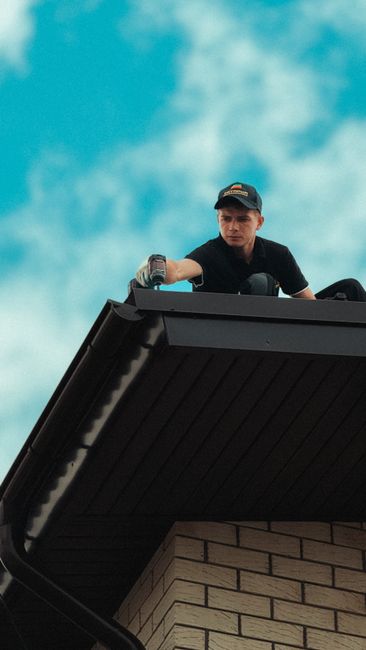
A roof lasts longer when small problems are found early, moisture is controlled, and seasonal stress is reduced. For homes in Alden, NY, regular attention matters because roofs must handle snow, freeze-thaw cycles, wind, rain, ice buildup, and summer heat.
What usually shortens a roof’s life?
The most common causes of premature roof wear are moisture, poor ventilation, neglected flashing, storm damage, and avoidable foot traffic. A roof may still look serviceable from the ground while small defects are allowing water into the roof system.
Typical problems include:
- Missing, cracked, curled, or lifted shingles
- Loose or rusting metal flashing around chimneys, vents, and roof edges
- Clogged gutters and downspouts
- Moss or algae holding moisture against roofing materials
- Inadequate attic ventilation or insulation
- Damaged vent boots and exposed fasteners
- Tree limbs rubbing against the roof
- Improperly installed satellite, solar, antenna, or other attachments
- Repeated walking on shingles, especially during warm weather
The goal is not to make an aging roof look new. The goal is to keep water moving over the surface, direct it away from the house, and prevent minor defects from becoming widespread damage.
How often should a roof be inspected?
Most homeowners should look over the roof from the ground at least twice a year and after severe weather. A closer inspection is useful in spring, after winter snow and ice have passed, and again in autumn before leaves and snow become a concern.
A ground-level check can reveal obvious warning signs:
- Shingles scattered in the yard or visible in gutters
- Dark patches, exposed underlayment, or bare areas
- Sagging roof lines
- Bent or displaced gutters
- Water stains on exterior walls or soffits
- Excessive granules collecting near downspouts
Walking on the roof is not necessary for a basic seasonal review and can create additional damage. Sloped roofs, wet surfaces, icy conditions, and fragile shingles create real fall hazards. Any inspection involving steep pitches, unstable surfaces, suspected structural damage, or difficult access may require qualified assistance for safety.
Why are gutters important to roof longevity?
Gutters protect the roof edge, fascia, siding, foundation, and nearby landscaping by carrying water away from the house. When gutters are packed with leaves, shingle granules, or ice, water can back up beneath roof materials or spill over the edge.
Clean gutters at least once in spring and once in autumn, with additional attention after heavy leaf fall. Check that:
- Water flows freely through the downspouts
- Gutter sections are firmly attached
- Downspouts discharge well away from the foundation
- No section is sagging or holding standing water
- Ice buildup has not pulled the system away from the roof edge
In snowy climates, do not chip ice from shingles with sharp tools. Aggressive removal can break roofing materials and damage flashing. If ice repeatedly forms along the eaves, the underlying causes may include heat loss, air leakage, ventilation problems, or drainage limitations.
How does attic ventilation affect the roof?
A properly balanced attic helps regulate temperature and moisture. Ventilation alone cannot solve every attic problem, but poor airflow can contribute to condensation, damp insulation, mold growth, and uneven roof aging.
During winter, warm indoor air can enter the attic through gaps around light fixtures, wiring, plumbing penetrations, attic hatches, and ductwork. If that air meets a cold roof deck, moisture may condense. In summer, trapped heat can raise attic temperatures and increase stress on roofing materials.
Useful maintenance steps include:
- Keep soffit vents clear of insulation and debris
- Confirm that bathroom and kitchen exhaust vents discharge outdoors rather than into the attic
- Seal obvious air leaks around the attic hatch and service penetrations
- Maintain adequate insulation without blocking designed ventilation paths
- Look for damp insulation, frost, water marks, or musty odors
Attic ventilation should be evaluated as a complete system. Adding a single vent without considering intake airflow can produce little benefit and may create uneven air movement.
What should homeowners do about moss and algae?
Moss is more concerning than ordinary discoloration because it can hold moisture against shingles and lift their edges. Algae may create dark streaks without immediately damaging the roofing material, but both conditions indicate that the roof surface stays damp for extended periods.
Avoid scraping or pressure-washing shingles. These methods can remove protective granules and shorten the roof’s service life. Trim branches that shade the roof heavily, keep nearby gutters clear, and improve drainage where practical.
If growth is extensive, treatment should be compatible with the roofing material and applied without damaging shingles or nearby plants. Copper or zinc strips are sometimes used to discourage future growth, but they must be installed correctly and should not replace drainage and ventilation improvements.
How should storm damage be handled?
After high winds, heavy snow, hail, or falling branches, inspect the property from a safe location. Look for missing shingles, exposed roof surfaces, dented vents, damaged flashing, blocked gutters, and broken branches resting on the roof.
Do not climb onto a roof immediately after a storm, especially if it is wet, icy, or structurally questionable. If a tree has struck the roof, if the ceiling is sagging, or if water is entering the living space, protect belongings, contain active leaks if it can be done safely, and address the hazard promptly.
Temporary measures such as a properly secured tarp may limit further water entry, but they are not a permanent repair. Interior stains should also be documented, since the visible mark may be located away from the actual leak.
Which roof repairs should not be delayed?
Some defects deserve prompt attention because they can allow water into concealed areas. These include:
- Active leaks or fresh ceiling stains
- Missing shingles over exposed roof decking
- Damaged flashing around chimneys, vents, and wall intersections
- Sagging roof sections
- Rotting fascia or soffits
- Large areas of moss lifting shingles
- Loose gutters that are pulling away from the structure
- Repeated ice buildup accompanied by interior moisture
A small roof leak may wet insulation, wood framing, and drywall before it becomes visible indoors. Delaying repairs can turn a localized roofing issue into a broader moisture and structural problem.
Can homeowners extend roof life without replacing it?
Yes, routine maintenance can often delay replacement, but it cannot reverse age-related deterioration. The most effective approach combines seasonal inspections, clean drainage, controlled attic moisture, careful tree maintenance, and prompt repair of damaged details.
Keep records of inspections, repairs, storm events, and any visible changes. Knowing the approximate installation date and roofing material also helps set realistic expectations. Asphalt shingles, metal roofing, wood materials, and low-slope systems age differently and should not all be judged by the same visual standards.
For households in Alden, NY, the most useful habit is to treat the roof as a complete water-management system rather than just a layer of shingles. The roof surface, flashing, gutters, attic, insulation, soffits, and downspouts all work together. Maintaining those connected parts is what gives the roofing system its best chance of reaching its expected service life.
