
Roof leaks rarely begin as a dramatic stream of water through the ceiling. More often, moisture enters through a small opening, travels along roof framing or insulation, and appears indoors several feet away from the original problem. Understanding the most common causes makes it easier to recognize warning signs and respond before damage spreads.
Why do roofs leak?
The most common causes are damaged roofing materials, failed flashing, clogged drainage, ice dams, and problems around roof openings. Age, severe weather, poor ventilation, and small maintenance issues can make these weaknesses worse over time.
In Alden, NY, roofs face repeated cycles of snow, freezing temperatures, thawing, rain, wind, and summer heat. Those seasonal changes cause roofing materials to expand, contract, stiffen, soften, and gradually lose their ability to keep water out.
A roof leak can also develop even when the roof surface looks mostly intact. Water does not always enter directly above a ceiling stain, and the visible symptom may appear long after the original damage occurred.
How do damaged shingles cause leaks?
Missing, cracked, curled, or lifted shingles can expose the roof deck and underlayment to water. Once the protective surface is compromised, rain and melting snow can reach seams and fasteners that were designed to remain covered.
Common shingle-related problems include:
- Wind lifting shingles or removing them completely
- Cracks caused by age, impact, or repeated temperature changes
- Curling along shingle edges
- Granule loss that leaves roofing material less resistant to weather
- Punctures from falling branches or other debris
- Improperly placed or exposed nails
A few damaged shingles may create a localized leak, but water can also move beneath surrounding shingles before entering the attic or living space. Dark areas on the roof, loose shingle edges, or granules collecting in gutters can indicate deterioration.
Why does flashing fail?
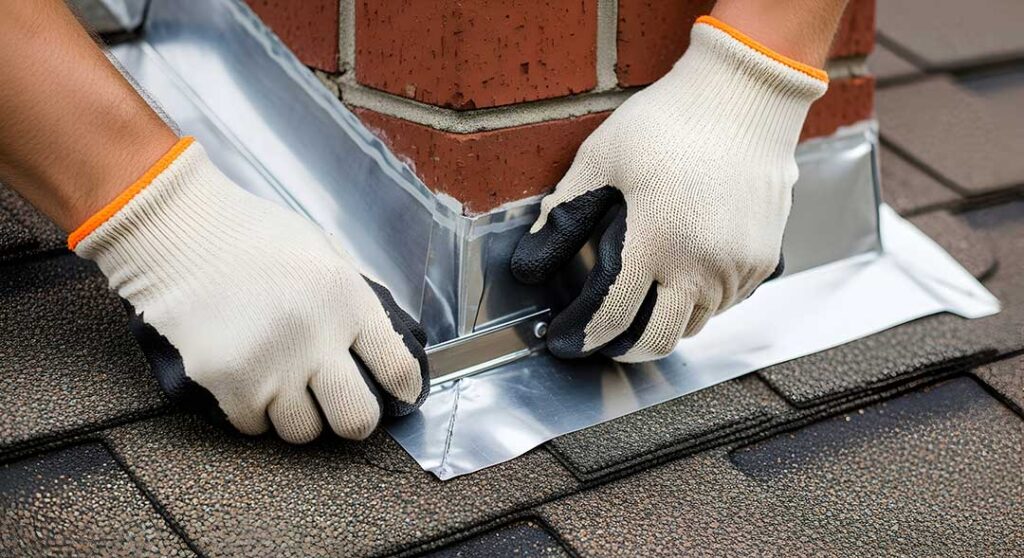
Flashing is the material installed around roof joints and openings to direct water away from vulnerable areas. It is commonly found around chimneys, plumbing vents, skylights, roof valleys, walls, and changes in roof slope.
Flashing can leak when it becomes bent, corroded, loose, cracked, or separated from adjacent materials. Sealant used around flashing may also dry out or pull away after years of weather exposure.
Roof intersections deserve particular attention because they handle water flowing from more than one direction. A small failure at a valley or wall junction can allow a large amount of water into the structure during heavy rain.
A frequent misconception is that the roofing surface is always responsible for a leak. In practice, flashing and transition areas are often more vulnerable than the broad, open sections of the roof.
Can clogged gutters and downspouts cause roof leaks?
Yes. Gutters and downspouts do not usually cause a leak by themselves, but poor drainage can force water into places where it does not belong.
When leaves, twigs, ice, or sediment block the drainage system, water may back up beneath the roof edge or overflow against fascia boards and exterior walls. Persistent moisture can damage wood trim, sheathing, insulation, and interior finishes.
In snowy climates, blocked drainage can also contribute to ice buildup along the eaves. Gutters should be checked after autumn leaf drop, strong winds, and major storms. Downspouts need to discharge water far enough away from the foundation and should not be obstructed by frozen ground or debris.
What are ice dams, and how do they create leaks?
An ice dam forms when snow melts on a warmer section of the roof and refreezes near the colder eaves. The resulting ridge of ice can hold water against the shingles, allowing moisture to move beneath the roofing materials.
Ice dams are usually related to uneven roof temperatures. Heat escaping from the living space can warm the upper roof area, while inadequate insulation or ventilation leaves the eaves colder. Warm indoor air leakage through attic penetrations can make the problem worse.
Signs of possible ice-dam damage include:
- Icicles combined with thick ice along the roof edge
- Water stains near exterior walls or ceilings
- Damp insulation in the attic
- Peeling paint or damaged trim near roof edges
- Repeated winter leaks in the same location
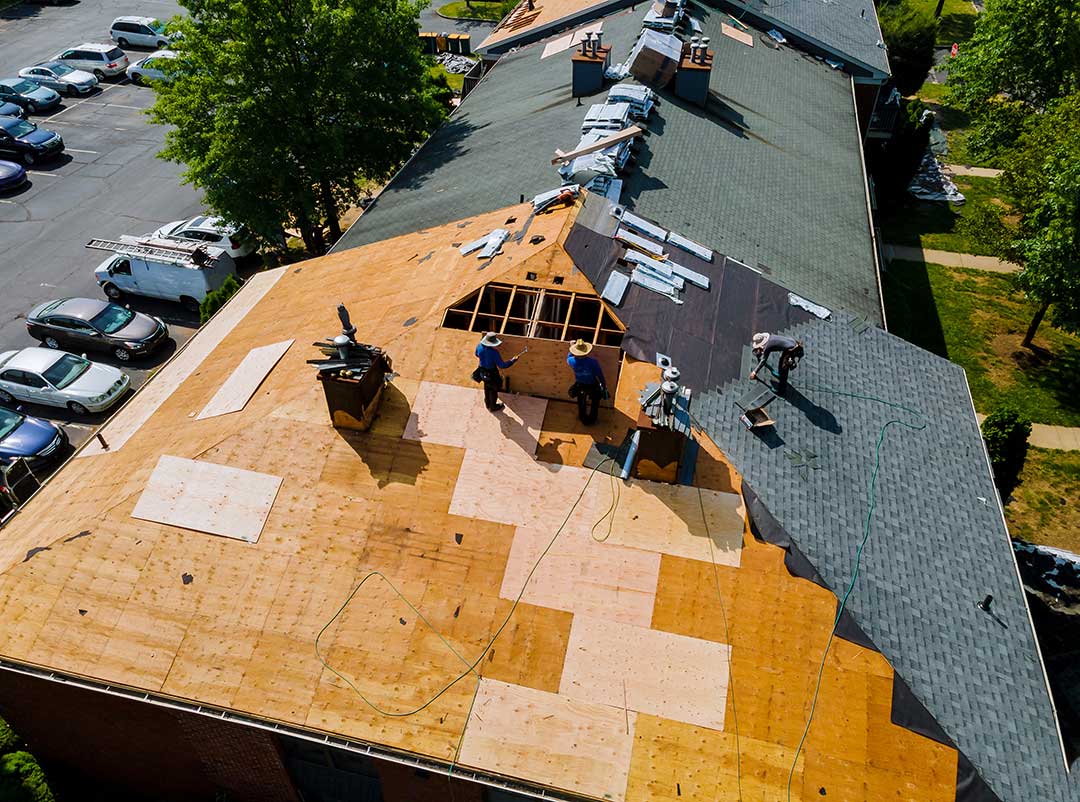
Removing snow or ice from a roof can be hazardous. Walking on icy shingles may cause falls or damage the roofing surface. If water is entering the home during freezing weather, immediate steps include placing containers under drips, moving valuables away from the area, and keeping clear of wet electrical fixtures.
How do roof openings become leak sources?
Every opening through a roof creates a potential weak point. Plumbing vent pipes, chimneys, skylights, exhaust vents, satellite equipment, and other penetrations require carefully fitted flashing and weatherproof connections.
Leaks around these features may result from cracked boots, deteriorated seals, loose flashing, or movement caused by wind and temperature changes. A plumbing vent leak may appear as a ceiling stain near a bathroom, although the exact location can be difficult to identify from inside the house.
Roof penetrations should not be covered casually with caulk. Sealant may provide a temporary barrier, but it cannot correct damaged flashing, an improperly fitted component, or movement between materials.
Can attic ventilation and condensation look like a roof leak?
Yes. Not every ceiling stain is caused by rain entering through the roof. Moist indoor air can move into a cold attic and condense on the underside of the roof deck, nails, insulation, or ventilation components.
Condensation is more likely when attic ventilation is blocked, insulation is uneven, bathroom exhaust vents discharge into the attic, or warm air escapes through ceiling penetrations. During cold weather, accumulated moisture may freeze and later drip as temperatures rise.
Clues that condensation may be involved include moisture spread across a broad attic area, frost on roof framing, damp insulation without obvious exterior roof damage, and problems that appear mainly during cold weather.
Bathroom and kitchen exhaust fans should vent outdoors rather than into an attic. Attic insulation should also remain dry and evenly distributed, with ventilation pathways kept open where the roof design requires them.
Why can a roof leak after a storm?
Severe weather can damage a roof in ways that are not immediately visible. Strong wind may loosen shingles or flashing, while hail, falling branches, and wind-driven debris can create punctures or impact marks.
After a storm, look from the ground for missing shingles, exposed underlayment, displaced metal, damaged vents, and branches resting on the roof. Avoid climbing onto the roof to inspect it, especially when surfaces are wet, steep, or unstable.
A leak may not appear during the storm itself. Water can remain trapped beneath roofing materials or insulation and reach the interior later. New stains, musty odors, peeling paint, or damp attic materials after severe weather should be treated as signs that further investigation is needed.
What should residents do when a leak appears?
First, limit interior damage without putting anyone at risk. Place a container under active dripping, move furniture and electronics, and document stains or visible damage with photographs. If water is near a light fixture, outlet, or wiring, avoid touching the fixture and use the electrical shutoff only if it can be done safely.
Do not assume that drying the ceiling solves the problem. A hidden leak can damage roof decking, insulation, framing, drywall, and finishes. Persistent moisture also creates conditions for mold growth and wood decay.
A small stain may come from a minor issue, but repeated staining, sagging ceilings, active dripping, wet insulation, or visible structural damage warrants evaluation by a qualified roofing or building professional. Roof work is especially hazardous during snow, ice, high winds, and wet conditions.
Regular observation from the ground, clean drainage paths, and attention to attic moisture can help identify roof problems before a minor defect becomes widespread interior damage.
