

How Can You Tell a Roof Is Getting Old in Alden, NY?
Spotting the signs of an aging roof helps area homeowners plan for maintenance and avoid seasonal problems unique to the local climate. Roof aging shows up differently depending on the type of roof. In Alden, homes typically feature asphalt shingles, metal roofing, cedar shakes, and occasionally tile or slate.
What Are Signs of Aging Asphalt Shingle Roofs?
Asphalt shingles are the most common roofing material in the community, especially on single-family houses and smaller buildings. Aging symptoms often appear specifically as:
- Loss of granules: Black specks or colored sand appear in gutters or on the ground, resulting in thin, patchy shingle surfaces.
- Curled or warped edges: Shingles no longer lie flat, making them more vulnerable to wind and moisture penetration—especially after snowy Alden winters.
- Cracking or splitting: Shingles split from temperature swings or drying, increasing the risk of leaks during heavy rain.
- Dark streaks: Algae or moss, common in humid summers, appear as black or green lines and indicate moisture retention.
In older neighborhoods, asphalt roofs may also show uneven fading. Many residents overlook small bald patches caused by high winds, which can signal overall age-related wear.
How Does Metal Roofing Show Its Age?
Metal roofing is valued in rural parts of Alden for durability and snow-shedding, but it reveals aging in specific ways:
- Fading or chalking: The paint finish becomes dull, powdery, or changes color after sun exposure and time.
- Rust spots: Especially near fasteners, seams, or cut edges where protective coatings wear down, allowing corrosion to set in.
- Loose or missing fasteners: Expansion and contraction from freeze-thaw cycles can loosen screws or nails, leading to rattling noises or small leaks.
- Dents and warping: Hail or heavy ice can leave shallow dents, and over years, panels may look wavy or slightly buckled.
Residents sometimes assume metal roofs last indefinitely, but even small signs like persistent condensation in the attic may indicate the roof isn’t sealing as well as it once did.
How Can You Identify an Aging Cedar Shake or Wood Roof?
Cedar shakes make appearances in older or architecturally distinctive homes around the area, offering natural beauty and insulation. With age, they typically show:
- Curling and splitting: Shakes cup or shred along the grain over time, often after multiple freeze-thaw cycles.
- Graying or dark spots: Weathered wood turns silvery, which is normal; black spots point to rot from moss or leaves that aren’t cleared regularly.
- Moss, mold, or fungal growth: Persistent dampness, especially on shaded roof sections, encourages plant growth between shakes.
- Brittleness: Older shakes snap easily under slight pressure—a sign the material has lost flexibility.
Many people only notice aging once a leak appears indoors. However, annual visual checks for extensive moss mats or a surface that’s soft to the touch catch problems much earlier.
What About Tile and Slate Roofs Seen Around Alden?
Tile or slate roofs, while less common, are present on historic or high-value local homes. Both offer long lifespans but still reveal age:
- Cracked, chipped, or slipping tiles: Sections that move or sound hollow when tapped could be nearing the end of their usable life.
- Lichen and moss: Natural stone attracts these more than manufactured materials, and heavy growth can pry tiles apart.
- Rusty or failing metal flashing: Even if the tiles themselves look good, aged flashing will allow moisture in, showing up as stained soffits or discolored walls below.
- Sagging areas: Weight from snow over the years can cause subtle dips; these signal compromised underlayment or fractured supports.
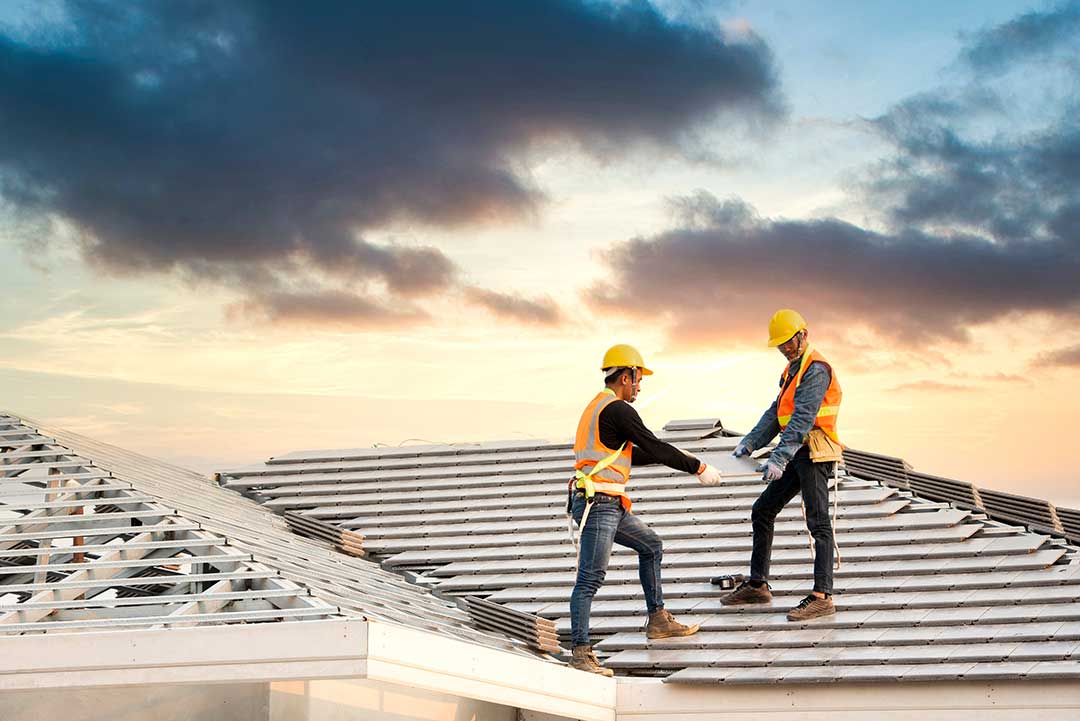
Because individual tiles or slates sometimes fail without affecting the whole roof, area residents often overlook these issues until a storm exposes the damage.
Are There General Clues Regardless of Roofing Type?
Yes, certain signs are nearly universal across all roofs in the local climate:
- Stains on ceilings or attic rafters: Suggest water is finding its way inside, often through small roof failures.
- Pests such as birds or squirrels: Gaps from missing shingles, shakes, or tiles create easy entrances.
- Visible daylight from the attic: If sunlight shines through the roof boards, the covering has gotten thin or come loose.
Always be careful if inspecting steep or slippery roofs. For visual checks, binoculars from the ground or a simple attic look can reveal a lot without unnecessary risk.
What Mistakes Do Homeowners Make When Checking for Roof Aging?
It’s easy to overlook early aging signs, particularly after mild seasons. Some common misconceptions:
- Missing that even minor granule loss or moss growth can point to bigger problems.
- Assuming a lack of visible leaks means the roof is healthy—small failures often show inside the attic or along support beams first.
- Ignoring aging flashing or sealant at vents, chimneys, or skylights.
- Believing manufacturer warranties are a guarantee against age—condition still depends on installation, exposure, and care.
Proactive checks before and after harsh weather—especially blizzards or windstorms—help Alden’s homeowners maximize the lifespan of a wide variety of roofing materials.
