
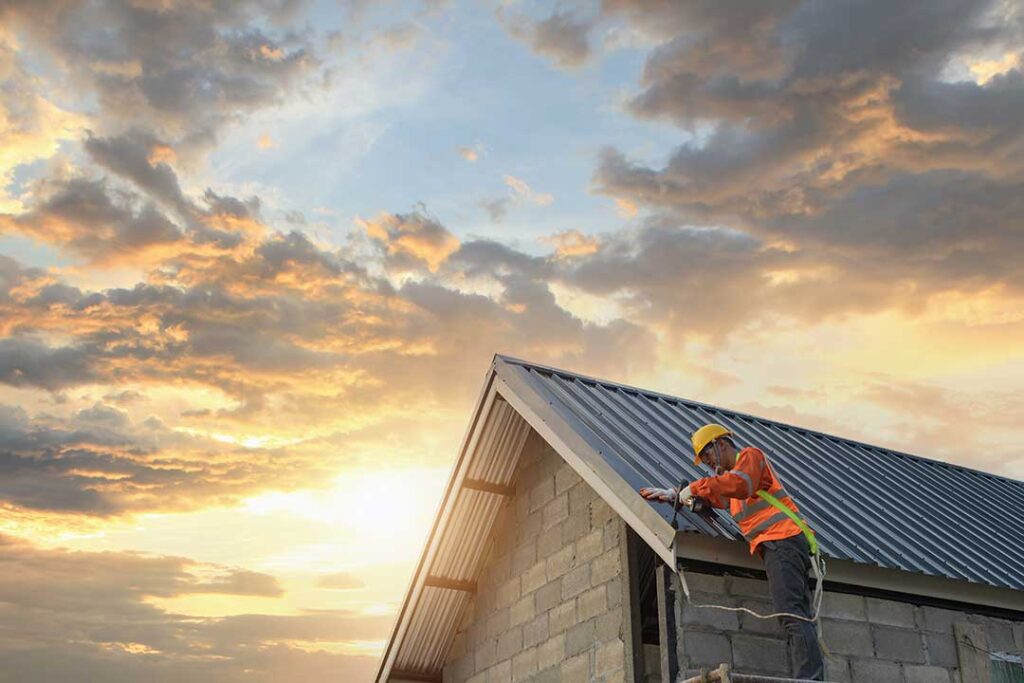
Can a Roof Replacement Help Lower Energy Bills in Alden, NY?
Yes, installing a new roof can make a measurable difference in energy usage for homes in Alden, NY, thanks to advances in roofing materials and the realities of the region’s climate. Many residents notice heating and cooling costs decrease after roof replacement, especially if the previous roof was aging or poorly insulated.
A typical home in this region faces hot, sunny summers and long, cold winters. Roofs play a vital role in managing indoor temperatures, helping to keep warm air inside during winter and blocking excessive heat in summer. As roofs age, their insulating and protective qualities often decline, leading to increased energy consumption.
How Does Roofing Affect Heating and Cooling Efficiency?
A roof acts as a giant shield for the interior of a house. Its material, color, and underlying structure all impact temperature control.
- In winter, a well-insulated roof traps heat inside, reducing furnace run time.
- In summer, a roof with good reflective properties can help block solar heat, lessening the burden on air conditioners.
Older roofs in Alden are often less efficient at both of these tasks. Common issues include:
- Degraded shingles or tiles that allow air leaks
- Deteriorated or missing insulation under the roof deck
- Ventilation problems trapping hot or cold air
- Warped or damaged decking exposing the interior to outdoor temperatures
Replacing the roof addresses these problems directly—especially when paired with modern materials and updated building codes for insulation.
What Roofing Materials Improve Energy Performance Most?
Not every new roof brings the same level of energy savings. Material choice and installation method matter.
Reflective Shingles: Many manufacturers now produce shingles with “cool roof” coatings that reflect more sunlight, keeping attics and upper rooms colder on hot days.
Metal Roofing: Metal roofs are increasingly popular due to their durability and high reflectivity. They shed snow quickly and reflect more sunlight, providing both winter and summer benefits.
Insulated Roof Decking: Some newer systems incorporate rigid insulation boards beneath the shingles, adding an extra thermal barrier.
Color Considerations: Light-colored roofing materials reflect more sunlight than dark ones. This difference can impact attic temperatures by several degrees, especially during midsummer.
Example: An Alden homeowner whose old roof had dark, worn-out shingles and little insulation might switch to a light-colored, energy-efficient shingle with upgraded insulation, seeing a 10-20% drop in summer cooling costs as a result.
Are There Common Misconceptions About Roof Replacement and Energy Savings?
Many people assume a new roof will automatically slash energy bills. The reality is more nuanced:
- If the previous roof was still in good shape with intact insulation, savings may be modest.
- Energy savings are usually more noticeable if the old roof was leaky, missing insulation, or had ventilation problems.
- Attic insulation, air sealing, and proper venting work in combination with roofing—no single step guarantees maximum efficiency.
For the greatest results, consider the whole “roof system,” not just the outer layer. Ignoring attic insulation or venting during replacement can limit the energy benefits.
What Factors Make Roof Replacement Especially Impactful in Alden?
Alden’s regional climate—with heavy snowfall, ice dams, and swings between humid summers and freezing winters—places extra demands on local roofs.
Here’s why that matters:

- Ice dams common in older homes can lift shingles, leading to heat loss and water infiltration.
- Heavy snow loads increase the importance of efficient insulation and strong underlayment.
- Humid summers raise attic temperatures quickly if roofs are poorly ventilated.
Replacing a worn-out or outdated roof offers a chance to address these issues. Updated insulation and venting, required by modern codes, prevent heat loss in winter and reduce ice dams—a key concern for area homeowners. Similarly, modern moisture barriers and reflective materials keep attics and upper rooms cooler, lowering air conditioning needs.
What Practical Steps Can Homeowners Take to Maximize Energy Savings With a New Roof?
A roof replacement offers an opportunity to upgrade more than just shingles. Consider these steps to get the most from the project:
- Ask about options for cool-roof shingles or light-colored materials suited to Alden’s climate.
- Ensure additional attic insulation is installed to meet or exceed local code requirements.
- Request a ventilation assessment—proper ridge and soffit vents are essential for year-round comfort and efficiency.
- Repair or replace any rotted or degraded roof decking, which can be a hidden source of leaks and drafts.
- Consider adding a radiant barrier if attic overheating is a recurring summer issue.
Each of these upgrades can contribute to significant energy savings for households, especially those in older homes.
What Energy Savings Can Area Residents Realistically Expect?
While individual results vary, many studies and homeowner reports suggest:
- Replacing an old, poorly insulated roof with a modern, energy-efficient option may reduce total energy bills by 10–25%.
- Greatest savings come during temperature extremes—likely January–March and July–September in the city.
- Roof replacement often improves indoor comfort at the same time, reducing drafts and uneven temperatures between floors.
Homes built before the 1980s or with visible attic/roof problems tend to see the most dramatic improvements. Always compare annual and seasonal bills before and after replacement to track the true impact.
