
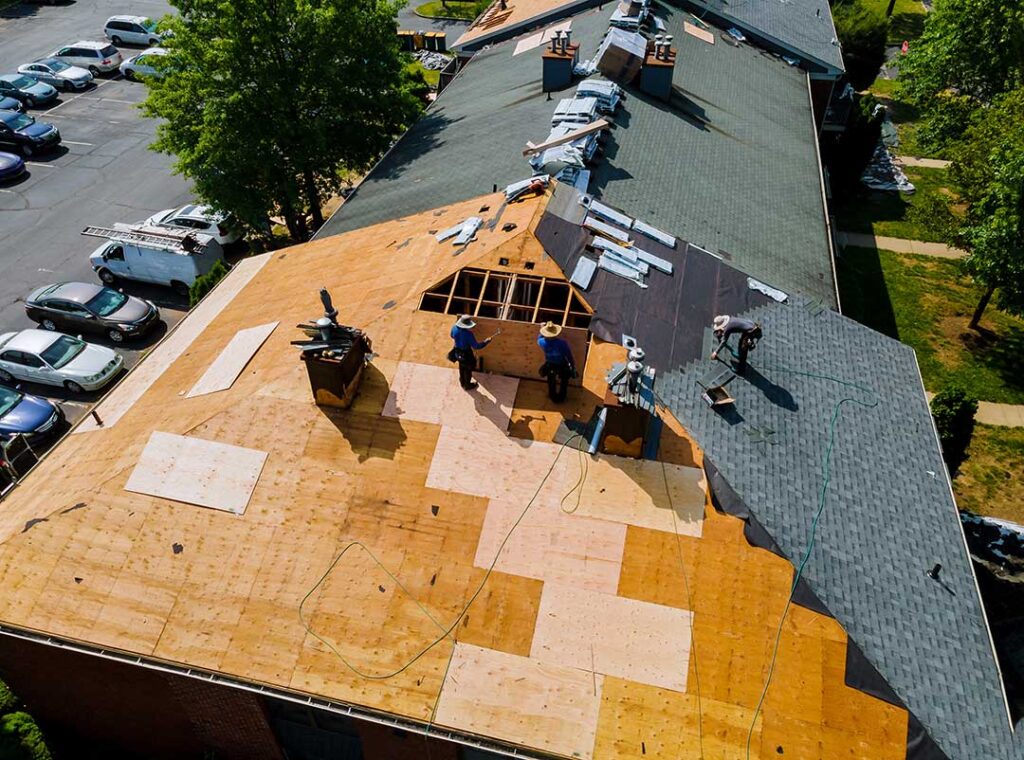
Does homeowners insurance cover roof damage?
Usually, homeowners insurance covers sudden, accidental roof damage caused by a covered event, such as wind, hail, falling objects, fire, or the weight of snow. It generally does not pay to replace a roof simply because it is old, worn out, or poorly maintained.
That distinction matters in Alden, NY, where roofs experience repeated exposure to winter cold, snow, ice, freeze-thaw cycles, wind, and summer storms. A roof may develop problems gradually, even though the insurance policy is designed mainly for unexpected losses rather than routine upkeep.
The exact answer depends on the policy’s covered perils, exclusions, deductible, roof provisions, and settlement terms. The declarations page provides a useful summary, but the full policy wording controls the claim. New York’s Department of Financial Services advises homeowners to review coverage limits, deductibles, policy dates, and endorsements carefully. ([dfs.ny.gov](https://www.dfs.ny.gov/consumers/help_for_homeowners/insurance/basic_coverage?utm_source=openai))
What is the difference between storm damage and normal wear?
Storm damage is typically linked to a specific event. Normal wear is the gradual deterioration that occurs as roofing materials age.
Examples of possible storm-related damage include:
- Shingles blown off during a high-wind event
- Hail strikes that crack or bruise shingles
- A tree limb puncturing the roof
- Water entering through an opening created by a covered storm
- Structural damage caused by the weight of snow, if the policy covers that loss
Examples of maintenance-related problems include:
- Shingles becoming brittle from age
- Long-term granule loss
- Rot around an untreated roof edge
- A slow leak caused by deteriorated flashing
- Damage that existed before the reported incident
- Ice-related leakage caused by conditions excluded under the policy
A claim may be denied if the insurer determines that a storm exposed a pre-existing weakness rather than caused the primary damage. In other cases, the insurer may cover the storm-created damage but not the cost of correcting long-term deterioration.
A homeowners policy is not a roof warranty or maintenance contract. The National Association of Insurance Commissioners explains that homeowners remain responsible for ordinary upkeep and repairs resulting from aging or neglect. ([content.naic.org](https://content.naic.org/sites/default/files/publication-hoi-pp-consumer-homeowners.pdf?utm_source=openai))
Why does roof age affect a claim?
Roof age can affect both eligibility for coverage and the amount paid. Some policies settle roof losses at replacement cost, while others apply actual cash value, a roof payment schedule, or special limitations based on age and condition.
Replacement cost coverage is intended to pay the cost of repairing or replacing covered damage with comparable materials, subject to the policy and deductible. Actual cash value subtracts depreciation for age and condition. A payment based on actual cash value may therefore be substantially less than the cost of installing a new roof.
For example, if a storm damages part of an older roof, the insurer may calculate the roof’s current value after depreciation, then subtract the deductible. If the policy allows replacement-cost benefits, the withheld depreciation may be available after qualifying repairs are completed and documented. The policy determines the timing and requirements.
New York DFS notes that actual cash value calculations can reduce payment for an older roof and that underinsurance may also affect settlement. Homeowners should not assume that a policy’s dwelling limit automatically guarantees full replacement of every roof. ([dfs.ny.gov](https://www.dfs.ny.gov/consumers/help_for_homeowners/homeowner_tenant_guide?utm_source=openai))
What should a homeowner do after a suspected roof loss?
Safety comes first. Do not climb onto a wet, icy, steep, or visibly unstable roof. From the ground or a safe interior location, document what can be seen.
Useful first steps include:
- Photograph or record damaged shingles, roof openings, fallen limbs, interior stains, and damaged belongings.
- Note the date of the suspected storm and what occurred.
- Protect belongings from further water damage by moving them away from leaks.
- Use temporary measures only when safe, such as placing containers under interior drips.
- Keep receipts for emergency materials or temporary protective work.
- Notify the insurer promptly and ask about required claim deadlines.
- Avoid permanently removing damaged materials before the insurer has had a reasonable opportunity to inspect, unless necessary to prevent additional damage.
The Consumer Financial Protection Bureau recommends documenting damage before and after temporary repairs and keeping records of communications and expenses. A homeowner should take reasonable steps to prevent additional damage, but should not make unsafe repairs. ([consumerfinance.gov](https://www.consumerfinance.gov/ask-cfpb/what-should-i-do-after-a-disaster-to-protect-my-finances-and-property-en-1513/?utm_source=openai))
Can an insurance company require a roof inspection?
An insurer may request photographs, maintenance records, an inspection, or an estimate before deciding whether a roof loss is covered. Some insurers also inspect roofs when issuing or renewing a policy, particularly when the roof is older or its condition is difficult to verify.
An inspection does not automatically mean a claim will be approved or denied. It is evidence used to evaluate:
- Whether a covered event caused the damage
- The age and condition of the roof
- Whether the damage is isolated or widespread
- Whether prior repairs were performed
- Whether the home was reasonably maintained
- The likely cost of covered repairs
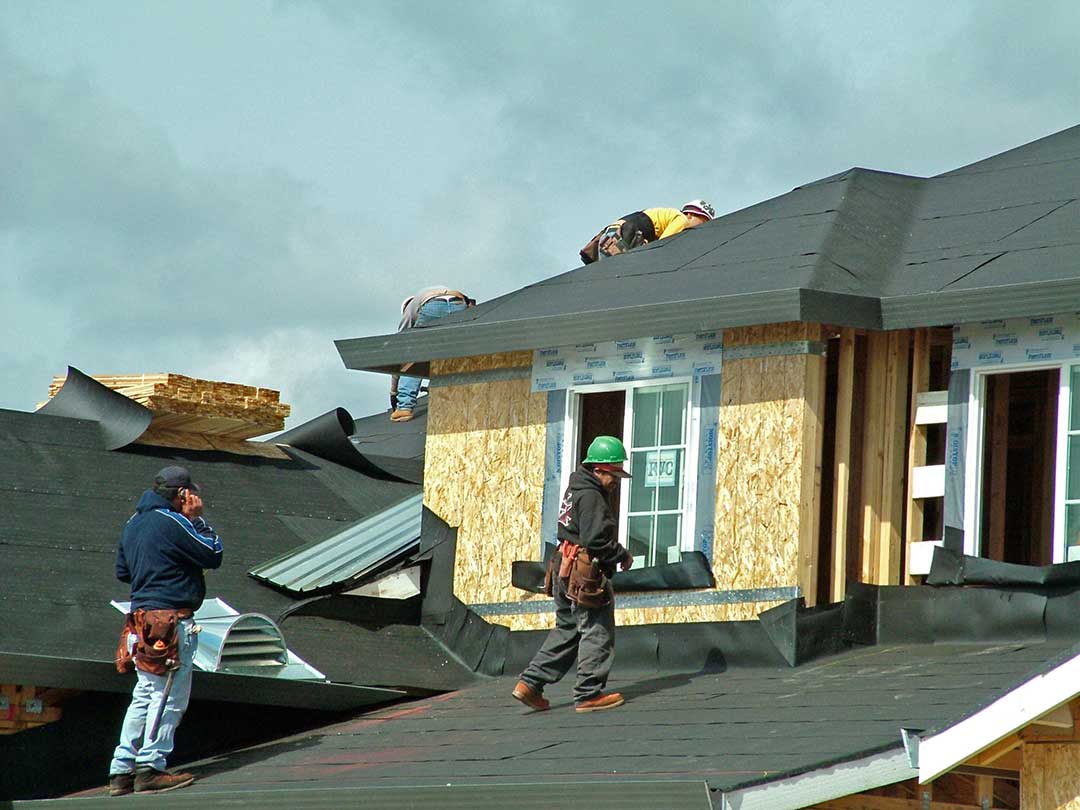
A roof inspection report should be reviewed carefully. Terms such as “wear,” “storm damage,” “installation issue,” “maintenance,” and “functional damage” can affect how the insurer interprets the loss.
What does the deductible mean for roof repairs?
The deductible is the amount the homeowner generally pays before insurance contributes to a covered claim. If covered repairs cost $8,000 and the applicable deductible is $2,000, the initial insurance payment may be based on the remaining $6,000, subject to policy limits and depreciation.
The deductible may be a fixed dollar amount or a percentage. New York policies can contain separate deductibles for certain types of losses, including windstorm coverage in some circumstances. The declarations page should identify the deductible that applies. ([dfs.ny.gov](https://www.dfs.ny.gov/consumers/help_for_homeowners/insurance/basic_coverage?utm_source=openai))
A claim involving minor damage may not produce an insurance payment if the repair cost is near or below the deductible. That does not mean the damage should be ignored. Small leaks can spread into roof decking, insulation, ceilings, and wall assemblies.
Are interior leaks covered if the roof is not?
Sometimes, but not automatically. If a covered storm creates an opening and rain enters through that opening, resulting interior damage may be considered as part of the covered loss. If water enters because of long-term deterioration, poor maintenance, or an excluded condition, coverage may be limited or unavailable.
The source of the water matters. Standard homeowners insurance also generally excludes flood damage, which is water that rises from outside and enters the home. Flood insurance is separate from ordinary homeowners coverage. ([dfs.ny.gov](https://www.dfs.ny.gov/consumers/help_for_homeowners/insurance/basic_coverage?utm_source=openai))
For a home in the community, it is useful to distinguish roof leakage from basement seepage, surface-water intrusion, plumbing leaks, and ice-related conditions. Each may involve different exclusions or coverage provisions.
What should be reviewed before renewing a policy?
At least once a year, review the declarations page and ask whether the coverage still reflects the home’s current condition and rebuilding cost. Consider:
- The roof’s approximate installation date
- Whether the policy uses replacement cost or actual cash value for the roof
- Wind, hail, and other applicable deductibles
- Dwelling coverage limits and inflation adjustments
- Exclusions for older roofs or cosmetic damage
- Coverage for detached structures and personal belongings
- Additional living expense coverage if the home becomes uninhabitable
- Documentation of roof repairs, improvements, and storm-related work
New York DFS also identifies roof improvements and certain wind-resistant features as factors that may qualify for insurance discounts, depending on the insurer’s rules and documentation requirements. Any discount should be confirmed before assuming an upgrade will reduce premiums. ([dfs.ny.gov](https://www.dfs.ny.gov/consumer-insurance-discounts-savings?utm_source=openai))
Keeping dated photographs of the roof, attic, ceilings, and major belongings can establish the home’s condition before a loss. Those records are especially useful when winter weather, wind, or heavy rain makes the timing of damage difficult to determine.
