

What Are Roof Fire Ratings?
Roof fire ratings measure how well roofing materials withstand fire exposure. These ratings, established by testing agencies, help homeowners gauge roof safety during fire emergencies. Roofing is classified into three main fire ratings: Class A (highest protection), Class B, and Class C. Knowing your roof’s rating offers peace of mind and is relevant for local safety codes and insurance considerations.
Why Do Roof Fire Ratings Matter for Local Residents?
Fire-resistant roofing reduces property and personal risk, especially in areas like Alden, NY where severe weather, wooded lots, and older homes can increase fire hazards. Local residents might not experience frequent wildfires, but risks from lightning strikes, wind-blown embers from bonfires, and chimney-related events do exist. Fire ratings also affect how quickly fire spreads between neighboring homes, which is especially important in tighter neighborhoods or during dry summer stretches.
How Are Roof Fire Ratings Determined?
Testing agencies expose roofing products to flames and measure how materials respond. Ratings are based on:
- How long materials resist catching fire
- Whether burning pieces fall off (and could start new fires below)
- How flames spread across the roof surface
Alden’s weather—marked by heavy snow, ice, and freeze-thaw cycles—also influences material durability. However, fire ratings focus specifically on fire performance, not cold resistance or snow load.
What Do Class A, B, and C Ratings Mean?
These categories make it easier to compare safety features:
- Class A: Highest rating for fire resistance. Materials withstand severe exposure for long periods. Examples include asphalt fiberglass shingles, clay tiles, and certain metal roofing.
- Class B: Moderate fire resistance. These materials will fare well against smaller fire incidents but may not hold up to a major blaze.
- Class C: Basic protection. Materials slow fire spread, but only provide minimal resistance. Some untreated wood shingles fall in this group.
Class A is the most common selection for new builds and roof replacements due to insurance incentives and safety peace-of-mind.
Are There Local Building Codes Requiring Certain Ratings?
Alden follows New York State building codes, which often adopt nationally recognized standards. For most residential neighborhoods, Class A or B materials are required—especially for new construction or roof replacement. Homes with historic or grandfathered roofing may not meet modern codes, but property upgrades typically trigger compliance.
It is worthwhile to check the latest regional regulations or consult the local building department when planning a major repair or full reroof.
Will Choosing a Higher-Rated Roof Affect My Insurance or Resale Value?
Roof fire rating can influence property insurance costs and eligibility. Some insurers offer discounts or favorable terms for Class A roofs, while others may deny coverage for materials with poor ratings. When a home’s roof exceeds local safety codes, buyers often feel reassured. In older neighborhoods, documentation of a high fire-rating may support a higher resale value.
Home insurance applications typically ask about roofing type and age, so keeping records of your roof’s rating and material is a practical step.
What Roofing Materials Have the Best and Worst Fire Ratings?
- Asphalt fiberglass shingles: Most popular option, widely available as Class A
- Metal panels or shingles: Naturally noncombustible, frequently Class A
- Clay or concrete tiles: Excellent for fire protection, though heavier construction is needed
- Slate: Also noncombustible, but cost and installation are advanced
- Treated wood shakes or shingles: With factory fire retardant, can achieve Class B or C (higher if maintained)
- Untreated wood and some older composite products: Typically Class C, even lower if degraded
Many homes in Alden feature asphalt shingle roofs, making Class A fire resistance relatively common. Area homes with historic charm or rustic looks may use wood shakes, which are more vulnerable without modern fireproofing.
Are Fire Ratings Permanent, or Do They Change Over Time?
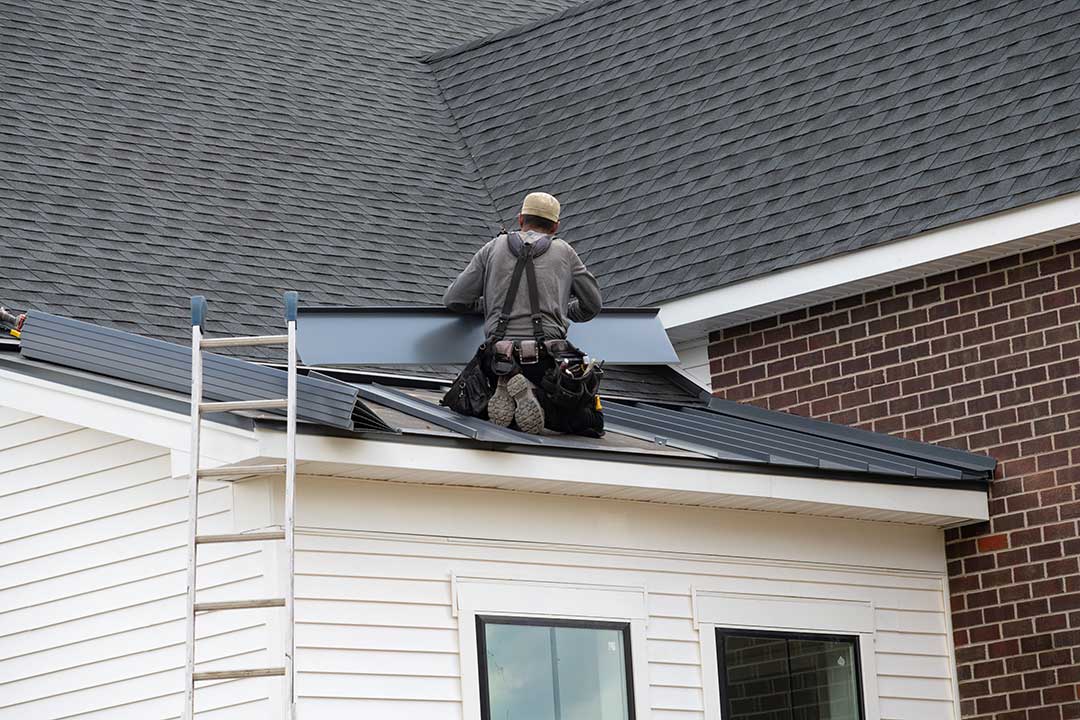
While ratings reflect performance of new products, real-world factors can lower effectiveness:
- Age and weathering reduce fire resistance in shingles, especially wood
- Lichen, moss, and accumulated debris increase risk by providing fuel
- Punctures, storm damage, or missing shingles create weak points
Routine inspection, debris removal, and timely repair can help roofs retain their rated protection level.
Common Misunderstandings About Roof Fire Ratings
Residents sometimes think all modern roofing is fireproof. In reality:
- Fire-resistant does not mean fireproof—no material is immune to extreme conditions
- Underlayment and installation quality impact fire resistance as much as the visible roofing
- A high roof fire rating does not negate the need for working smoke detectors, safe chimney use, and regular gutter cleaning
How Can Households Reduce Fire Risk Beyond Roofing Choice?
While roof fire ratings are important, overall home safety includes additional steps:
- Clear branches/leaves from rooflines and gutters
- Keep nearby trees trimmed and lower branches removed
- Ensure any outdoor fire pits or grills are used well away from a home’s eaves
- Stay aware of community burn bans and fire weather alerts
A coordinated approach—roofing, maintenance, and vigilant outdoor habits—offers the best protection for homes in the community.
