

Can Your Roof Really Impact Indoor Allergens?
Yes — the condition and design of a roof directly affect how many outdoor allergens, like mold, pollen, and dust, make their way indoors. In Alden, NY, where seasonal changes and precipitation levels fluctuate, a well-installed roof becomes a practical line of defense against these irritants. This is especially relevant for households managing allergies, asthma, or other respiratory sensitivities.
A roof with leaks, poor insulation, or damaged underlayment can let in water and airborne particles. Over time, these problems may contribute to lingering moisture and increased allergen levels inside the home. Installing a new, tightly sealed roof dramatically reduces these risks by improving the home’s weather barrier and ventilation.
What Types of Allergens Are Commonly Affected by Roofing?
A fresh roof installation can reduce several allergy triggers typically found inside area homes:
- Mold and mildew spores: These thrive in damp attics or behind walls when old roofs leak.
- Pollen: Especially during spring and early fall, pollen can enter through roof gaps or poorly fitted attic vents.
- Dust mites: Persistent roof leaks foster humidity, which supports dust mite populations.
- Outdoor debris: Bits of plant material, dust, and other particles can blow in through cracked rooflines or failing flashing.
Many residents in the community notice that allergy seasons feel shorter or symptoms are less severe after upgrading their roof.
How Does a New Roof Reduce Moisture and Mold Indoors?
The most effective way a new roof lowers allergen levels is by eliminating the conditions that allow mold to grow. Even minor leaks in an aging roof let rain and snowmelt seep into insulation, wood, and drywall. As the area can experience heavy snowfall and frequent spring rains, persistent moisture is not uncommon. This creates perfect conditions for mold and mildew, which release spores that circulate through home ventilation systems.
A properly installed roof in Alden includes:
- Updated water-resistant barriers or underlayments
- Improved flashing around chimneys, skylights, and vents
- Tight seal at ridges and eaves
- Ventilation upgrades to ensure moisture escapes instead of collecting inside
Without unchecked dampness, mold infestation and mildew spores become far less of a problem indoors.
Will a New Roof Help Prevent Pollen from Entering the House?
A new roof, especially when paired with updated attic ventilation and insulation, can greatly limit pollen entry. In spring and early fall, pollen from local trees and grasses is prevalent. If the roof decking, soffit vents, or ridge vents have gaps, this fine dust can drift into attic spaces or be drawn into living areas by air movement.
Addressing these entry points during roof installation closes off common infiltration routes. Well-fitted flashings, upgraded vent covers, and sealed skylight perimeters can each play a role. This won’t remove every trace of pollen, but it will reduce indoor buildup compared to older, draftier roofs.
Are There Roofing Materials or Designs That Perform Better for Allergen Control?
Some roofing materials and features are more effective at reducing allergens than others. Asphalt shingles are popular locally and typically include water-resistant layers beneath to prevent leaks. Metal roofing sheds debris easily and presents fewer seams for pollen or mold spores to collect.
Key choices that boost allergen protection include:
- Synthetic underlayments that resist water absorption and mold growth
- Ridge and soffit vents designed for filtered airflow, preventing both moisture buildup and outdoor particles from entering
- Light-colored or reflective roofing materials to keep attic temperatures stable, discouraging humidity and mold formation
Selecting materials with a reputation for durability also means fewer maintenance issues that could turn into allergen pathways.
Are Roof Replacement Projects Messy or Risky for Existing Allergies?
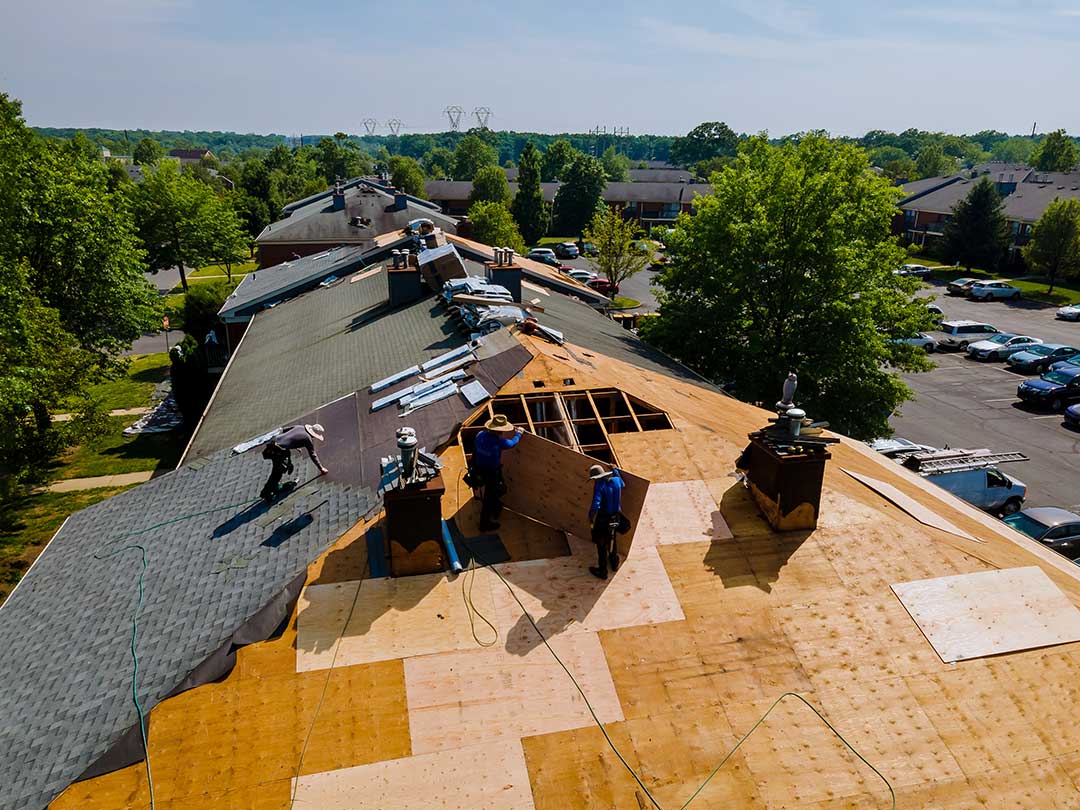
Some worry that installing a new roof will temporarily make indoor air quality worse. While construction may kick up dust and old roofing materials, reputable installers take steps to contain debris, such as using tarps and HEPA-filtered vacuums. Residents concerned about allergies often find it helpful to keep windows closed during the project and run air purifiers indoors.
Most homes see a notable improvement in air quality once installation is complete, especially if underlying mold or leaks were present before. Where previous moisture issues existed, replacing water-damaged insulation and drywall (alongside the new roof) has the greatest long-term benefit for allergy sufferers.
Can Upgrading the Roof Make a Difference in Everyday Life?
For many in the community, a new roof can mean:
- Fewer allergy flare-ups during rain, heavy pollen events, or spring thaw
- Less visible mold around attic access or ceiling corners
- Improved air freshness and less musty odor indoors
- Peace of mind from knowing overhead protection is solid
Households with known sensitivities benefit the most, but nearly any home dealing with an outdated or compromised roof will notice lowered allergen buildup after the upgrade. The local climate, with its mix of damp, breezy spring days and humid late summers, makes robust roofing an especially valuable feature in area homes.
