

How Should Residents Prioritize Roof Repairs During COVID-19 or Other Crises?
Roof repairs can’t always wait for a crisis to pass, but understanding what truly needs urgent attention helps households make safe, informed decisions. Critical issues such as active leaks, storm or wind damage, or areas where debris has compromised the roof structure are highest priority. Delaying these repairs may lead to greater damage, interior water intrusion, or safety risks.
For less urgent fixes—such as replacing a few damaged shingles with no signs of leaks—temporary solutions or monitoring until safer conditions return can be appropriate. Regularly check attics and ceilings after heavy rain for hidden leaks that might worsen if left unaddressed. Residents often find peace of mind by documenting roof conditions with time-stamped photos, helping identify changes if delays become necessary.
Can Roof Repairs Be Done Safely During a Health Emergency or Quarantine?
Most exterior roof repairs can be managed with minimal person-to-person contact, but planning is key. Residents should discuss repair needs remotely whenever possible. Sharing photos from ground level or using digital communication reduces entry into the home and unnecessary contact. When repair workers are required, clarify expectations:
- Masking and distancing protocols
- Outdoor work staging
- Designated access paths, avoiding shared entryways
Ask about local guidance or temporary restrictions, as some emergencies may affect what activities are permissible. For example, during certain pandemic restrictions, only critical repairs may be allowed. Residents should be prepared for delays due to shortages, labor disruptions, or supply chain problems affecting roofing materials.
What Local or Seasonal Factors Should Residents in Alden Consider?
Cold winters and frequent freeze-thaw cycles in Alden mean roofs can deteriorate faster during long crises. Ice damming—when melting snow refreezes at the roof edge—can cause backups and leaks, so minor winter roof repairs may become urgent quickly. Sudden wind gusts, rain-on-snow events, and spring thaws also make timely assessment vital, even if full repairs must wait.
Local properties often have attic spaces that reveal hidden trouble early. Residents should safely inspect for wet insulation, water marks, or mold growth after storms or snowmelt. In rural or less densely built neighborhoods, tree limbs or debris may be harder to clear after storms if local crews are delayed by a community-wide emergency.
Are DIY Temporary Roof Patches Safe or Advisable?
Some temporary DIY measures are possible for clear-cut, small issues, especially when urgent access to professionals is limited. Homeowners can:
- Cover damaged areas with a securely-tied tarp to prevent water entry
- Collect water from slow drips indoors using buckets or containers to minimize interior spread
- Gently remove small branches or debris with safe, ground-based tools
Ladders, steep slopes, wet or icy surfaces, and electrical hazards make roof work dangerous. If a patch requires walking on the roof or handling sharp materials, waiting for suitable assistance is the safest route. Focus on minimizing indoor damage until proper repairs are feasible.
How Can Homeowners Limit Damage While Awaiting Repairs?
Simple preparation helps reduce long-term roof damage and interior loss:
- Move valuables and electronics away from leak-prone areas
- Use plastic sheeting or waterproof containers to shield important possessions
- Ventilate damp attic or ceiling areas to reduce mold development, if weather permits safe airflow
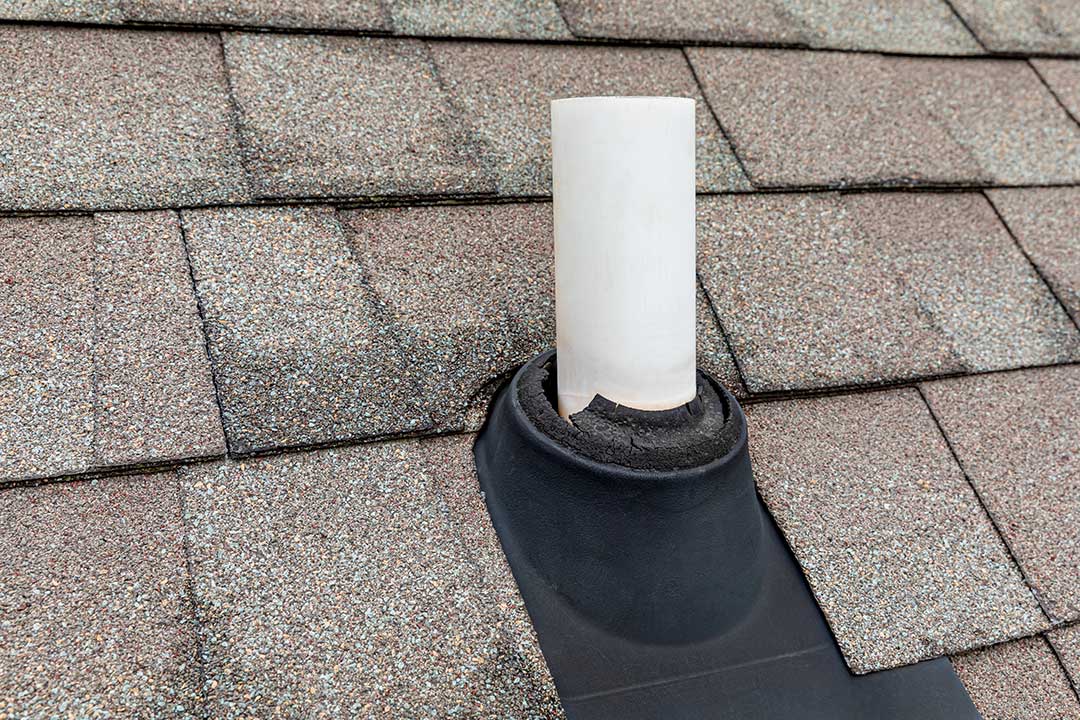
Keeping gutters clean supports roof drainage, especially during leaf fall or after storms. Some residents use smartphone reminder apps or a chalkboard list to track “must-check” areas in the attic after each major weather event.
What Common Mistakes Do People Make with Roof Repairs During Crises?
Urgency or stress may prompt risky decisions during a crisis. Typical missteps include:
- Attempting risky climbs or repairs alone or in bad weather
- Using inappropriate sealants, foams, or makeshift fixes that trap moisture and cause more damage
- Not documenting pre-existing roof conditions, complicating insurance claims later
Other families may overestimate the risk of every drip, leading to unnecessary indoor panic. Not every minor, dry-weather shingle issue is an emergency. Carefully differentiate between what needs temporary attention and what can safely wait, using the guidance above.
Where Can Residents Find Reliable Information or Official Guidance?
City or county government websites often announce emergency rules affecting construction, noise, or service hours. During public health events, official announcements may designate roofing as “essential work,” but this can vary. Public libraries, building code departments, and emergency management agencies post updates online and sometimes bulletin boards in central community locations.
Neighbors, homeowner associations, or online local forums sometimes share firsthand experiences about navigating repair delays safely. However, always verify any recommendations with a trusted, official resource to prevent the spread of misinformation.
What If Roof Repairs Become an Insurance Issue During a Crisis?
Documenting roof damage promptly—with clear, dated photos and notes—is essential if insurance is involved. Most policies expect reasonable efforts to prevent further damage (“mitigation”), even if full repairs must wait. Save receipts from tarps, plastic coverings, or emergency supplies used. Offer insurance adjusters remote access via phone or digital photos if in-person visits are delayed.
Residents can refer to policy documents stored online or accessible via the insurer’s website for claim procedures during restricted access periods.
