
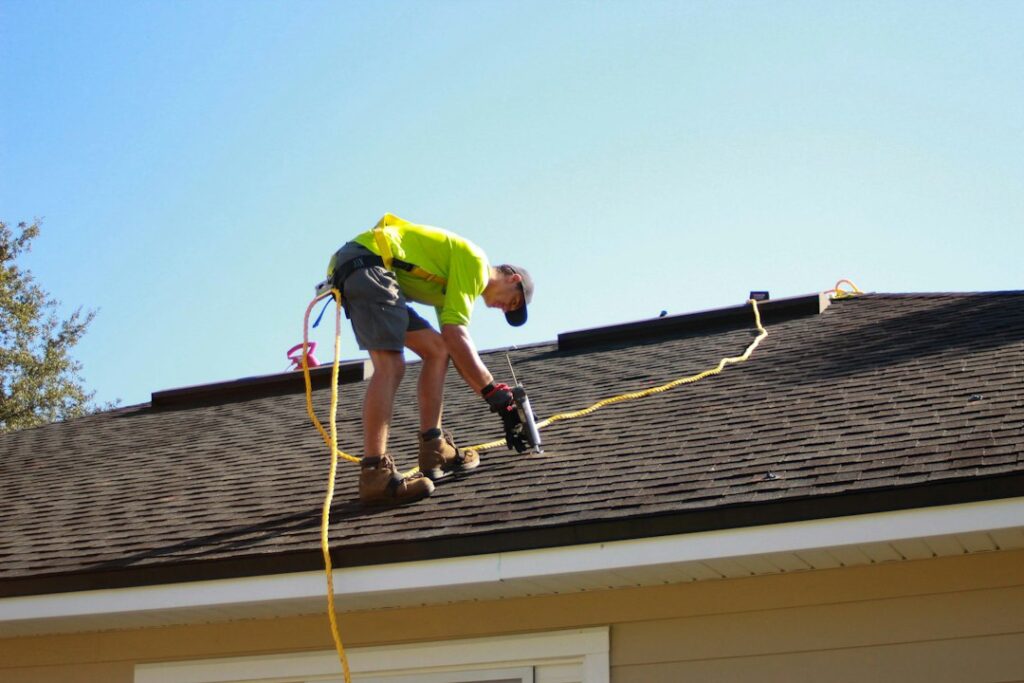
What is a roof inspection?
A roof inspection is a careful review of the roof system to identify damage, aging, water entry, drainage problems, and conditions that could shorten the roof’s service life. It includes more than looking at shingles from the ground.
A complete inspection may consider:
- Shingles, underlayment, flashing, vents, and exposed fasteners
- Valleys, ridges, eaves, and areas around chimneys or roof penetrations
- Gutters, downspouts, and the roof edge
- Attic insulation, ventilation, wood framing, and signs of moisture
- Interior ceilings and walls beneath the roof
For many homes in Alden, NY, inspections are especially useful after winter weather, strong wind, heavy rain, or repeated freeze-thaw cycles. Snow, ice, and changing temperatures can expose weaknesses that were not visible during the warmer months.
How often should a roof be inspected?
Most homeowners should inspect the roof at least once a year and again after a major storm. A visual check from the ground can be performed more often, particularly in spring and fall.
An annual inspection is useful because minor defects can develop into larger problems. A small area of lifted flashing or a missing shingle may allow water to reach roof decking, insulation, or interior finishes before a ceiling stain appears.
More frequent attention may be appropriate when:
- The roof is more than 15 years old
- The home has a low-slope section or complex roof design
- Large trees hang over the roof
- Ice dams have occurred in previous winters
- The attic has condensation or poor ventilation
- The property recently experienced high winds, hail, or falling branches
- A leak, ceiling stain, musty odor, or unexplained draft has appeared
The age of a roof does not automatically determine whether replacement is needed. Condition, installation quality, ventilation, exposure, and maintenance history all matter.
What should homeowners look for from the ground?
A ground-level inspection can reveal several warning signs without requiring anyone to climb onto the roof. Use binoculars if needed, and observe from more than one side of the house.
Look for:
- Shingles that are missing, cracked, curled, blistered, or visibly displaced
- Dark patches that may indicate moisture or algae growth
- Excessive granules collecting in gutters or near downspouts
- Sagging areas along the roofline
- Bent, loose, or damaged metal flashing
- Gutter sections pulling away from the roof edge
- Downspouts that discharge water beside the foundation
- Tree limbs rubbing against shingles or resting on the roof
- Daylight visible near roof penetrations from an attic
- Stains on soffits, fascia boards, or exterior walls
Not every dark mark represents a leak, and not every missing granule signals immediate failure. The location, pattern, and extent of the condition matter. For example, isolated granules in a gutter may be ordinary aging, while heavy accumulation combined with bald-looking shingles suggests more significant wear.
Why should the attic be included?
The attic often reveals roof problems earlier than the living space. Moisture may remain hidden above insulation for months before it produces a visible ceiling stain.
During an attic inspection, look for:
- Brown or yellow water marks on roof decking
- Damp insulation or compressed insulation
- Mold-like growth or a persistent musty smell
- Rust around nails or metal fasteners
- Frost on the underside of the roof during cold weather
- Daylight entering through places that should be sealed
- Blocked soffit vents or damaged ventilation channels
- Wet areas near valleys, chimneys, plumbing vents, or roof penetrations
A roof leak does not always appear directly below the damaged area. Water can travel along rafters, roof decking, insulation, or framing before entering the room below. That is why the location of an interior stain may not identify the source by itself.
Attic ventilation also deserves attention. Ventilation problems can contribute to condensation, premature shingle aging, winter moisture, and uneven roof temperatures. More ventilation is not automatically better; intake and exhaust openings need to work as a balanced system.
What roof areas are commonly overlooked?
Roof penetrations and transition points often deserve more attention than the broad field of shingles. These areas are more vulnerable because different materials meet or because openings interrupt the roof surface.
Frequently overlooked locations include:
- Flashing around chimneys
- Plumbing vent boots
- Skylight edges
- Roof-to-wall intersections
- Valleys where two roof slopes meet
- Areas beneath snow guards or rooftop equipment
- The junction between a porch roof and the main house
- Drip edges along the lower roof perimeter
- Gutters filled with leaves, shingle granules, or ice

Flashing should lie flat and direct water away from vulnerable joints. Sealant alone is not a permanent substitute for properly installed flashing. Cracked or separated sealant may indicate movement, age, or an underlying installation problem.
How do winter conditions affect roof inspections?
Cold-weather conditions can hide damage and create temporary hazards. Snow may cover missing shingles, blocked valleys, or damaged flashing. Ice can also conceal the condition of gutters and roof edges.
In the local climate, freeze-thaw cycles can be particularly hard on roof materials. Water enters a small crack, freezes, expands, and then leaves the opening slightly larger as temperatures change. Repeated cycles may affect flashing, masonry joints, shingles, and drainage components.
Ice dams form when heat escapes into the attic and warms portions of the roof while the eaves remain cold. Meltwater can refreeze along the roof edge and back up beneath shingles. Evidence may include irregular ice buildup, stained soffits, damp insulation, or interior moisture near exterior walls.
Homeowners should not walk on an icy or snow-covered roof. A ladder placed on frozen ground, wet pavement, or an unstable surface also creates serious fall risks.
Can a homeowner inspect the roof safely?
Homeowners can safely perform a ground-level review and examine accessible attic areas, but roof surfaces present fall hazards even when they appear dry. Steep slopes, brittle shingles, moss, frost, wet leaves, and hidden weak spots increase the risk.
Avoid climbing onto a roof during:
- Rain, snow, ice, or strong wind
- Early morning frost or wet conditions
- Extreme heat, which can soften asphalt shingles
- Any period when the ladder cannot rest securely
- Conditions involving power lines or unstable tree limbs
If an inspection requires walking on the roof, entering a confined attic, examining storm damage, or evaluating structural sagging, specialized safety equipment and experience may be necessary. Structural movement, exposed wiring, active leaks near electrical fixtures, and significant water damage should be treated as safety concerns rather than routine maintenance issues.
What should homeowners document during an inspection?
Good records make it easier to recognize changes over time. Take dated photographs from consistent viewpoints, including the roofline, gutters, valleys, penetrations, attic, and any interior staining.
Record:
- The date and weather conditions
- Areas that were inspected
- Visible damage or unusual changes
- Approximate location of interior stains
- Recent storms, heavy snow, or tree impacts
- Gutter cleaning and drainage observations
- Any temporary measures already taken
Photographs should show both the overall area and a close view of the suspected problem. A single close-up may not provide enough context to determine whether a defect is isolated or part of a larger pattern.
When does a roof problem require prompt attention?
Some conditions should not wait for a routine annual review. Prompt evaluation is warranted when water is actively entering the home, the roof is sagging, large sections of shingles are missing, or storm debris has caused a visible opening.
Urgent warning signs include:
- Water dripping through ceilings or light fixtures
- A rapidly spreading ceiling stain
- A section of roof that has collapsed or visibly sagged
- Large areas exposed beneath missing shingles
- Broken rafters or damaged roof decking
- A chimney, vent, or flashing assembly that has pulled away
- Water pooling in the attic
- Electrical components exposed to moisture
If water is near electrical equipment, avoid touching the fixture or wet surfaces. Address immediate household safety first, then document the condition once it is safe to do so.
A roof inspection does not need to be complicated to be useful. Regular ground-level observation, attic checks, clear documentation, and attention after severe weather can identify developing problems before they affect insulation, framing, ceilings, or household belongings.
